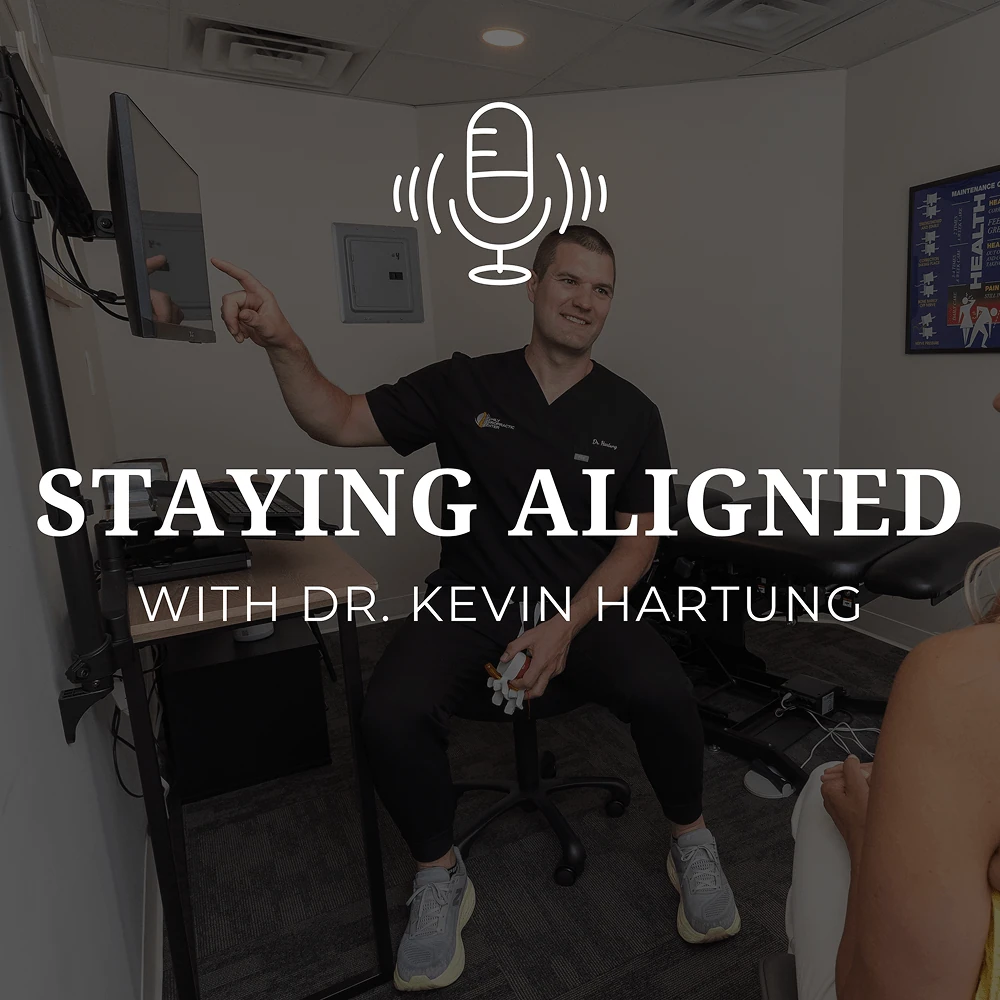
In this episode of the Family Chiropractic Center podcast, Dr. Hartung explores the often-overlooked relationship between mental and emotional health and physical pain. He explains how stress, anxiety, and negative thought patterns can actually amplify pain signals in the body, making chronic pain harder to manage without addressing both sides of the equation.
Dr. Hartung breaks down the science behind the mind-body connection in an approachable, practical way that applies directly to everyday life. Whether you’re dealing with back pain, headaches, or other chronic discomfort, understanding this connection could be a game-changer in your recovery.
If you’d like to learn more or schedule a visit, reach out to Dr. Kevin Hartung at Family Chiropractic Center in Robinson Township.
Transcript
Hey there, and welcome back. I’m doctor Hartung, and you’re listening to the Family Chiropractic Center podcast, coming to you from right here in Robinson Township. Today we’re talking about something that I think is really important, and honestly, it doesn’t get enough attention in the world of pain management. We’re talking about the mind-body connection, and how your thoughts, your stress, and your emotions can actually shape the way you feel pain. Now before you think this is going to get too abstract or philosophical, stick with me. Because this is very real, very physical, and very relevant to what a lot of you are dealing with every single day.
So let’s start with the basics. Pain is not just something that happens in your body. It’s something that happens in your brain. That might sound strange at first. But your nervous system, which is the whole communication network running from your brain down through your spine and out to every part of your body, that system is constantly processing signals. And it doesn’t just process what’s happening in your muscles and joints. It also processes your stress levels, your sleep, your mood, and even your past experiences with pain. All of that information gets mixed together, and what comes out the other end is what you actually feel.
Here’s what’s interesting. Two people can have the exact same injury, and one of them might experience mild discomfort while the other one is in serious pain. That’s not because one person is weaker. It’s because their nervous systems are responding differently based on a whole range of factors, including mental and emotional ones. This is something that researchers and clinicians in pain science have really come to understand more deeply over the past few decades. And it changes the way we think about treatment.
Now, here’s the thing. Chronic stress is one of the biggest contributors to pain that I see in practice. When you’re stressed, your body releases hormones that keep your muscles tense. Your breathing gets shallow. Your posture changes. And over time, that constant tension adds up. Your neck gets tight. Your lower back aches. Your shoulders feel like they’re carrying the weight of the world, because in a way, they are. Stress doesn’t just live in your head. It lives in your body too.
So what can you do about it? A few simple things can make a real difference. First, pay attention to your breathing. When we’re stressed, we tend to breathe from the chest instead of the belly. Try taking slow, deep belly breaths a few times a day. This actually helps calm your nervous system down. Second, movement matters. Even a short walk can shift your body out of a stress response and help reduce muscle tension. Third, notice your thoughts around pain. If you’re constantly thinking things like this is never going to get better, or something must be terribly wrong, that kind of thinking can actually amplify your pain signals. It doesn’t mean the pain isn’t real. It absolutely is. But the stories we tell ourselves about pain matter more than most people realize.
Now, when should you come see us? If you’ve been dealing with pain that just doesn’t seem to resolve, or if you feel like stress and tension are really driving your symptoms, that’s exactly the kind of thing we address at Family Chiropractic Center. Chiropractic care helps restore proper movement and function to your spine, which takes pressure off your nervous system and helps your body regulate itself better. And when your nervous system is working the way it should, everything works better, including how your body processes stress and pain.
We take a whole-person approach here. That means we’re not just looking at where it hurts. We’re looking at you, your lifestyle, your patterns, and what’s really driving the problem. Because that’s how you get lasting results.
Thanks so much for tuning in today. I hope this gave you a new way of thinking about pain and what your body is trying to tell you. If you have questions or you’re ready to come in for an evaluation, give us a call or stop by. We’re here for you. This is doctor Hartung with Family Chiropractic Center in Robinson Township, and we’ll see you next time.