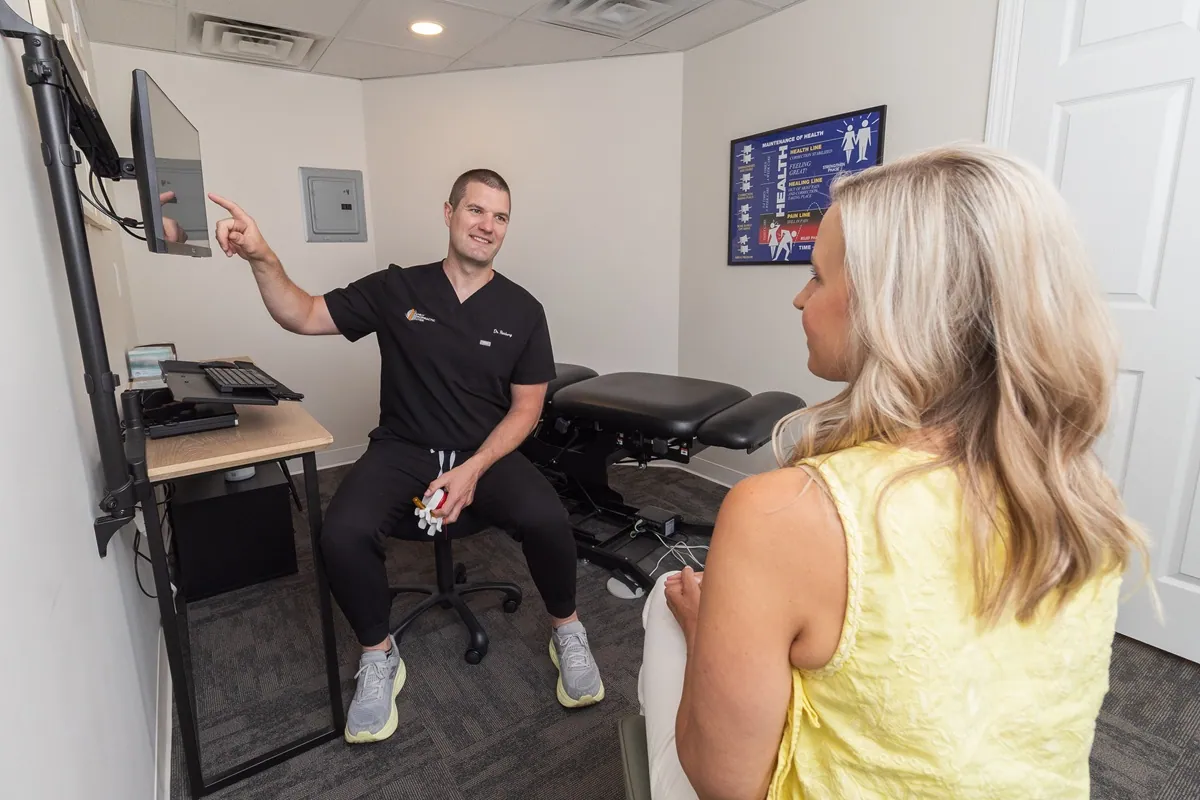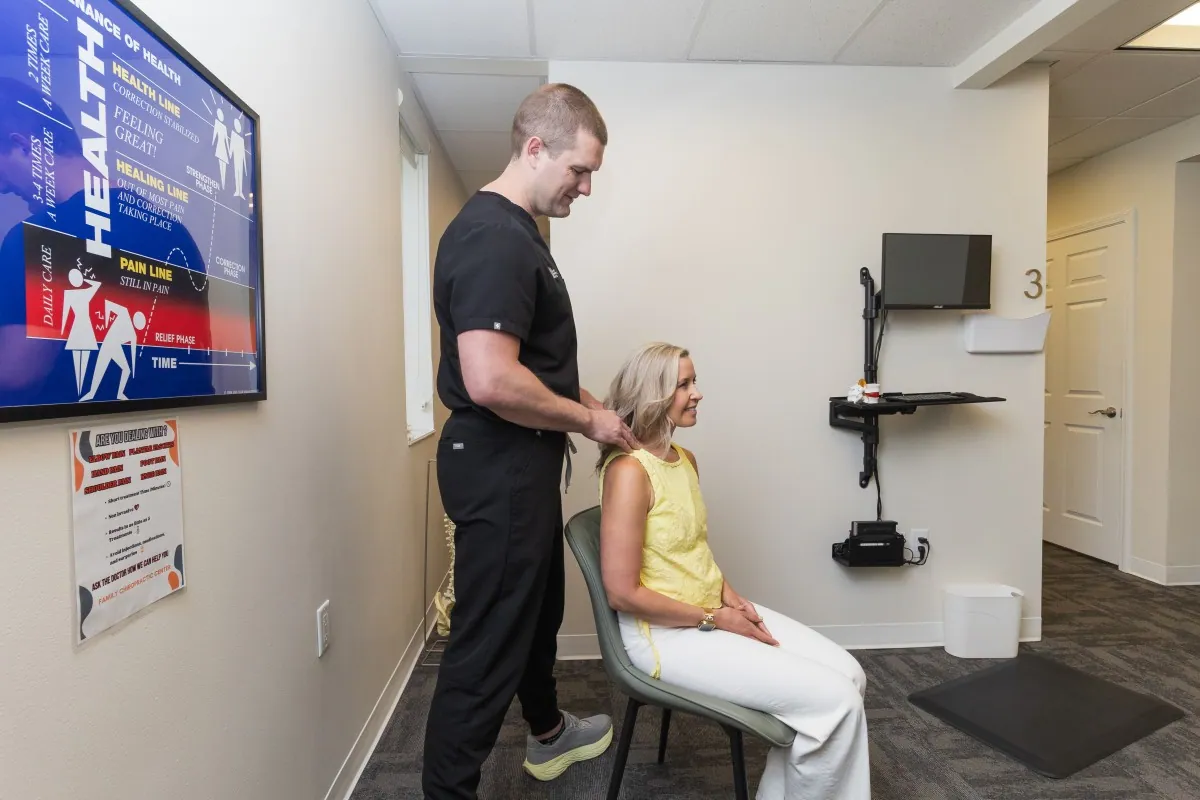
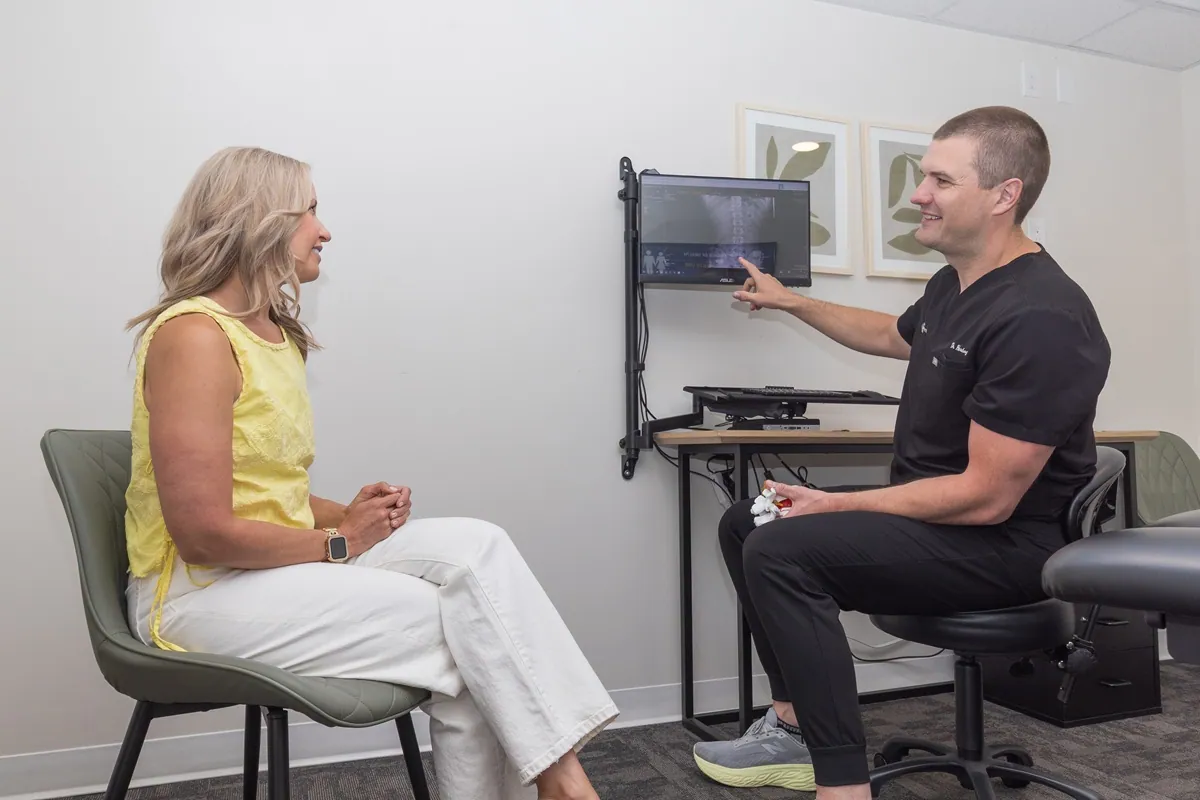

Back pain is one of the most common reasons people seek care — and yet it’s also one of the most misunderstood. Whether it’s a dull ache that won’t quit or a sharp, sudden pain that stops you in your tracks, back pain has a way of affecting every corner of your daily life. The frustrating part? Not all back pain is the same. In fact, the type of back pain you’re experiencing can tell you a great deal about what’s actually going on in your spine and surrounding tissues. Here in McKees Rocks, PA, many patients come to Family Chiropractic Center feeling confused, worried, and unsure of where to turn. This article is here to help you make sense of what you’re feeling — and what you can do about it.
What are the different types of back pain? Back pain generally falls into several distinct categories based on its location, how it feels, and what’s causing it. Understanding which type you’re dealing with is the first step toward finding real, lasting relief. The most common types include acute back pain, chronic back pain, mechanical back pain, radicular back pain, and referred back pain — each with its own set of causes, characteristics, and treatment approaches.
Type 1: Acute Back Pain — The Sudden Kind That Catches You Off Guard
Acute back pain comes on quickly, often without much warning. You might feel it after lifting something heavy at work, making a sudden awkward movement, or even waking up in the morning after sleeping in an unusual position. It’s typically defined as pain that lasts fewer than 12 weeks, and while it can be intense and alarming in the moment, it often resolves with proper care and rest.
The most common causes of acute back pain include muscle strains, ligament sprains, and sudden joint dysfunction in the spine. These injuries can happen to anyone — from a seasoned athlete to someone who simply bent down too quickly to pick up a bag of groceries. The pain is usually felt in the lower back, though it can occur anywhere along the spine.
The good news is that acute back pain responds well to conservative care. At Family Chiropractic Center in McKees Rocks, PA, Dr. Kevin Hartung often sees patients dealing with this type of pain who are surprised to find that with the right approach, they start feeling better fairly quickly. The key is not ignoring it and hoping it goes away on its own — because untreated acute pain can sometimes develop into something more persistent.
Type 2: Chronic Back Pain — When the Ache Becomes a Long-Term Companion
Chronic back pain is generally defined as pain that persists for 12 weeks or longer, even after the initial injury or cause has been treated. It’s a deeply frustrating experience because it can seem to take over your life — affecting your sleep, your mood, your ability to work, and your relationships. Many patients who walk into Family Chiropractic Center describe feeling like they’ve “just learned to live with it,” which is something no one should have to do.
Chronic back pain can stem from a variety of underlying causes. Degenerative disc disease, osteoarthritis of the spine, old injuries that didn’t heal properly, and long-term postural dysfunction are among the most common culprits. In some cases, the spine itself may have structural changes that contribute to ongoing pain and stiffness.
What makes chronic back pain especially complex is that it often involves both physical and neurological components. The nervous system can become sensitized over time, meaning that pain signals continue even when tissue damage has resolved. This is why addressing chronic back pain usually requires a comprehensive, multi-faceted approach rather than a quick fix. Research published through organizations like the American College of Physicians suggests that conservative, non-pharmacological approaches — including spinal manipulation — should be considered as a primary option for managing chronic low back pain.
Type 3: Mechanical Back Pain — The Most Common Type of All
If you’ve heard a healthcare provider say your back pain is “mechanical,” it simply means the pain is related to the way your spine moves — or in many cases, doesn’t move correctly. Mechanical back pain is the single most common type of back pain and is rooted in problems with the joints, discs, muscles, and ligaments that make up your spinal system.
This type of pain typically worsens with certain movements, positions, or activities, and it tends to improve when you change positions or rest. It’s often described as an aching, stiffening sensation that might be worse in the morning or after sitting for long periods. Sound familiar? Here in McKees Rocks, PA, many of our patients at Family Chiropractic Center spend long hours at desks, in vehicles, or doing physical labor — all of which can contribute significantly to mechanical back dysfunction.
Common causes of mechanical back pain include poor posture, sedentary lifestyle, muscle imbalances, joint restrictions in the lumbar spine or sacroiliac joints, and intervertebral disc issues. The wonderful thing about mechanical back pain is that it often responds exceptionally well to chiropractic care, because the root cause is mechanical — and chiropractic works directly with the mechanics of your spine.
Type 4: Radicular Back Pain — When the Pain Travels
Radicular back pain is a unique type of back pain because it doesn’t just stay in your back. Instead, it radiates outward along the path of a spinal nerve, often traveling down into the buttocks, legs, and even the feet. The most well-known version of radicular pain is sciatica, which involves irritation or compression of the sciatic nerve — the largest nerve in the body.
People with radicular pain often describe it as a burning, shooting, or electrical sensation that travels down one leg. They may also experience numbness, tingling, or weakness in the leg or foot. These symptoms can be alarming, but understanding what’s causing them helps remove a lot of the fear around them.
The most common causes of radicular pain include herniated or bulging discs, bone spurs, and spinal stenosis — all of which can put pressure on the nerve roots that exit the spine. The compression or irritation of these nerve roots is what produces the radiating symptoms. Dr. Kevin Hartung at Family Chiropractic Center in McKees Rocks frequently works with patients dealing with sciatica and other forms of nerve-related back pain, helping to reduce that nerve pressure through careful, targeted spinal care.
It’s worth noting that radicular pain requires a thorough evaluation before any treatment begins. The severity and exact cause of the nerve involvement will guide the appropriate care plan.
Type 5: Referred Back Pain — When the Source Isn’t Where You Think
Referred back pain is perhaps the trickiest type to understand. This is pain that is felt in the back but actually originates from a different structure — one that may seem completely unrelated. Internal organs like the kidneys, gallbladder, uterus, or even the heart can produce pain that is felt in the mid or lower back. This happens because the nervous system shares pain pathways between organs and the musculoskeletal system, which can lead to confusion about where the pain is really coming from.
For example, a kidney infection or kidney stones can cause significant pain in the lower back or flank area that can be mistaken for a muscle problem. Conditions affecting the reproductive organs can also produce back pain in women. This is one of the most important reasons why a thorough patient history and evaluation are so critical before beginning any treatment.
A knowledgeable chiropractor will always screen for red flags and non-musculoskeletal causes of back pain during an initial assessment. If there is any concern that back pain may be coming from an internal organ or another medical condition, an appropriate referral will be made. The goal is always your safety and your health — not just symptom management.
How Chiropractic Care Fits Into Back Pain Treatment
Chiropractic care is one of the most well-established, non-invasive approaches for addressing many types of back pain. It focuses on restoring proper movement, alignment, and function to the spine — which can reduce pain, improve mobility, and support the body’s natural healing processes. Evidence from organizations like the National Center for Complementary and Integrative Health (NCCIH) and the Cochrane Library indicates that spinal manipulation can be an effective option for managing both acute and chronic low back pain.
At Family Chiropractic Center in McKees Rocks, PA, Dr. Kevin Hartung takes a thorough, individualized approach to every patient. That means starting with a detailed evaluation to understand exactly what type of back pain you’re experiencing, what may be causing it, and what the most appropriate course of care looks like for your unique situation. Care is never one-size-fits-all.
Chiropractic treatment for back pain may involve spinal adjustments to restore joint mobility, soft tissue work to relieve muscle tension, postural education to address underlying dysfunction, and guidance on movement and lifestyle habits that support recovery. The goal is not just to reduce your pain in the short term, but to help you build a healthier, more resilient spine over time.
Practical Tips for a Healthier Back
While professional care is important, there are also things you can do day to day to support your spinal health and reduce your risk of back pain. Here are a few foundational recommendations that Dr. Kevin Hartung encourages for patients in the McKees Rocks community.
Movement is medicine. One of the worst things you can do for your back is stay completely still for long periods. If you work at a desk or drive for extended periods, make a habit of getting up and moving for a few minutes every hour. Even a short walk around the room can help keep spinal joints mobile and muscles from tightening up.
Pay attention to your posture. Poor posture — whether sitting, standing, or sleeping — places uneven stress on your spine over time. When sitting, make sure your feet are flat on the floor, your hips are roughly level with your knees, and your screen is at eye level. Avoid hunching forward or craning your neck downward for extended periods.
Strengthen your core. The muscles of your abdomen and lower back form a natural support system for your spine. Gentle, consistent core strengthening can help protect your back during daily activities. This doesn’t have to mean intense exercise — even simple movements like bridges and bird-dogs, done consistently, can make a meaningful difference.
Sleep position matters too. If you sleep on your side, placing a pillow between your knees can help keep your hips and spine in better alignment. If you prefer sleeping on your back, a pillow under your knees can reduce strain on the lumbar spine. Sleeping on your stomach is generally discouraged, as it can place significant stress on the neck and lower back.
When to See a Chiropractor — And When to Seek Urgent Care
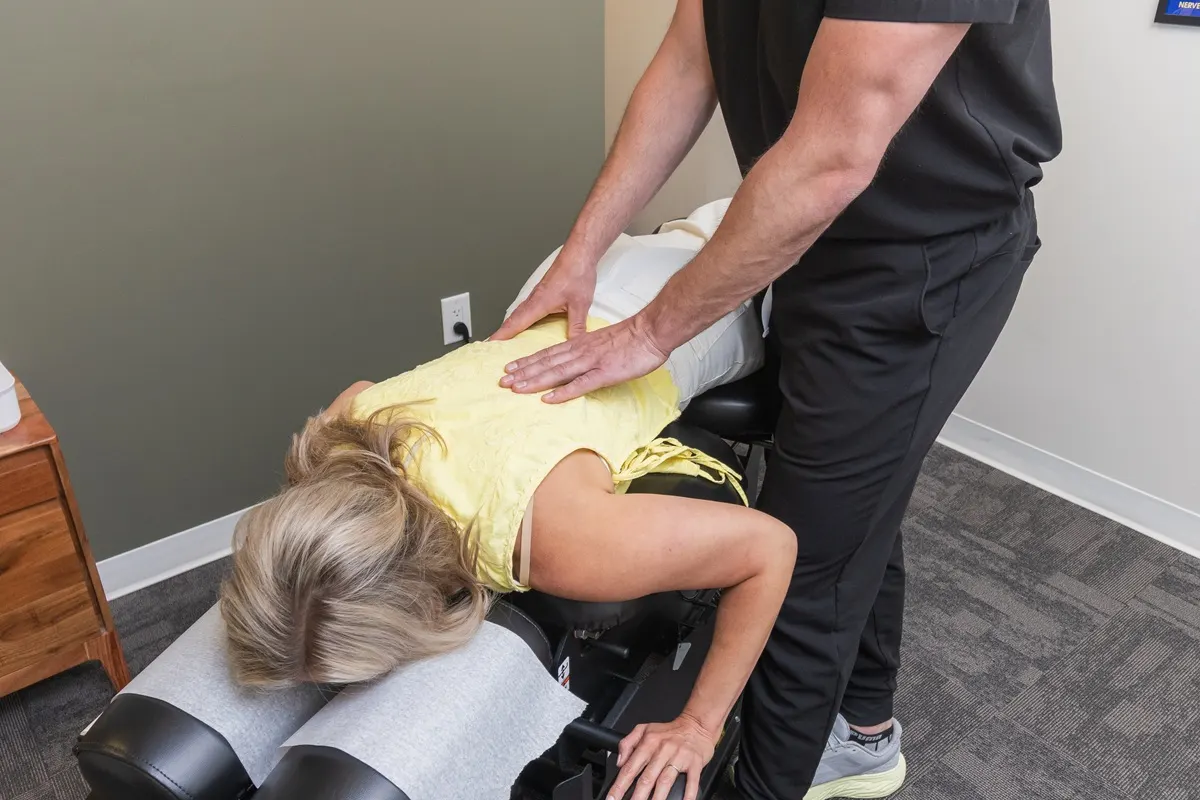
Most back pain is musculoskeletal in origin and responds well to chiropractic care. If you’ve been dealing with back pain for more than a few days, or if your pain is recurring and seems to be getting worse over time, that’s a good indicator that it’s time to get evaluated by a chiropractor like Dr. Kevin Hartung at Family Chiropractic Center.
You should seek care sooner rather than later if your back pain is limiting your ability to work, sleep, or enjoy everyday activities. Pain that radiates down one or both legs, is accompanied by numbness or tingling, or has come on after a fall or accident also warrants prompt evaluation.
However, there are certain red flags that require immediate medical attention rather than chiropractic care. These include back pain accompanied by loss of bladder or bowel control, severe pain following significant trauma, unexplained weight loss, fever alongside back pain, or pain that is constant and not affected by position or movement. These symptoms may indicate a serious medical condition and should be evaluated by a physician or at an emergency facility right away.
|
Type of Back Pain |
Common Cause |
Typical Symptom |
Responds Well to Chiropractic? |
|---|---|---|---|
|
Acute Back Pain |
Muscle strain, ligament sprain, sudden joint injury |
Sharp, sudden pain; difficulty moving |
Yes, often responds quickly |
|
Chronic Back Pain |
Degenerative disc disease, old injuries, postural dysfunction |
Persistent aching, stiffness, limited range of motion |
Yes, with consistent, long-term care |
|
Mechanical Back Pain |
Joint restriction, muscle imbalance, poor posture |
Pain that changes with movement or position |
Yes, often very responsive |
|
Radicular Back Pain |
Herniated disc, bone spurs, spinal stenosis |
Radiating, shooting, or burning pain down the leg |
Yes, with thorough evaluation first |
|
Referred Back Pain |
Organ dysfunction (kidneys, gallbladder, etc.) |
Back pain without a clear mechanical cause |
Requires medical screening first |
Common Myths About Back Pain — Debunked
Myth: You should rest completely until your back pain goes away.
Fact: While it’s important to avoid activities that aggravate your pain, extended bed rest has actually been shown to slow recovery in most cases of back pain. Gentle, appropriate movement tends to support healing far better than prolonged rest. Staying active — within your comfort level — is generally encouraged.
Myth: Back pain always means something is seriously wrong with your spine.
Fact: Most back pain is not caused by a serious structural problem. In fact, the majority of back pain cases are classified as mechanical and are entirely manageable with conservative care. While it’s important to get evaluated, back pain alone is rarely a sign of something dangerous.
Myth: If imaging doesn’t show anything, your pain isn’t real.
Fact: Many causes of back pain — including muscle tension, joint dysfunction, and nerve irritation — do not show up clearly on X-rays or MRIs. The absence of findings on imaging does not mean the pain is imagined. A skilled clinician can often identify the source of pain through thorough physical assessment.
Myth: Chiropractic adjustments are dangerous.
Fact: Chiropractic care, when performed by a licensed and trained chiropractor, is widely regarded as a safe and effective approach for musculoskeletal pain. Organizations like the WHO and ACP recognize spinal manipulation as a valid, low-risk option for back pain management. As with any healthcare intervention, a thorough evaluation ensures that care is appropriate for your individual situation.
Myth: Back pain is just a normal part of getting older and there’s nothing you can do about it.
Fact: While age-related changes in the spine are real, experiencing debilitating back pain is not an inevitable part of aging. Many older adults manage their spinal health effectively through regular chiropractic care, exercise, and lifestyle habits. Age is not a reason to simply accept pain as your new normal.
Final Thoughts from Family Chiropractic Center in McKees Rocks, PA
Back pain affects millions of people every single day, and it looks different for every person who experiences it. Whether you’re dealing with the lingering ache of chronic back pain, the sharp shock of an acute injury, the radiating discomfort of sciatica, or something in between — understanding your pain is the first step toward taking control of it.
Here at Family Chiropractic Center in McKees Rocks, PA, Dr. Kevin Hartung and our team are dedicated to helping our community understand, manage, and ultimately overcome back pain through honest, compassionate, evidence-informed chiropractic care. We believe that an educated patient is an empowered patient. When you understand what’s happening in your body, you’re better equipped to make good decisions for your health — and to stay consistent with the habits and care that truly make a difference.
If you’re somewhere in the McKees Rocks area and you’ve been wondering whether chiropractic care might help your back pain, we encourage you to come in for a thorough evaluation. You deserve to feel better, and we’re here to help make that happen — one step at a time.
Frequently Asked Questions About Back Pain
How do I know what type of back pain I have?
The best way to determine the type and cause of your back pain is through a professional evaluation by a chiropractor or healthcare provider. A thorough history, physical examination, and sometimes imaging can help identify the source of your pain and guide an appropriate care plan.
Can back pain go away on its own?
Some cases of acute back pain do resolve on their own within a few weeks, particularly when they are caused by minor muscle strains. However, pain that persists, recurs, or worsens over time typically benefits from professional evaluation and care. Ignoring back pain for too long can sometimes allow a manageable condition to become more complex.
Is chiropractic care safe for all types of back pain?
Chiropractic care is appropriate for many types of back pain, but a thorough evaluation is always performed first to determine whether spinal manipulation is safe and suitable for your specific situation. In cases of referred pain or serious red flags, chiropractic care may not be the first line of treatment, and appropriate referrals will be made.
How long does it take to feel better with chiropractic care?
The timeline for improvement varies depending on the type, severity, and duration of your back pain. Some patients notice relief after just a few visits, while chronic conditions may require a longer course of care. Dr. Kevin Hartung will discuss realistic expectations with you based on your individual evaluation at Family Chiropractic Center.
What’s the difference between acute and chronic back pain?
Acute back pain is pain that has lasted fewer than 12 weeks, often following a specific injury or onset. Chronic back pain is pain that has persisted for 12 weeks or longer, regardless of whether the original cause has resolved. Both types can benefit from chiropractic care, though the approach may differ.
Does sciatica always require surgery?
No — the vast majority of sciatica cases resolve without surgery. Conservative care approaches, including chiropractic spinal manipulation, have been shown to help many patients manage sciatic pain effectively. Surgery is typically considered only when conservative measures have been exhausted and there is significant, progressive nerve involvement.
TL;DR — Key Takeaways
-
Back pain is not one-size-fits-all — it falls into five main types: acute, chronic, mechanical, radicular, and referred, each with different causes and characteristics.
-
Mechanical back pain is the most common type and often responds very well to chiropractic care because it is rooted in how the spine moves and functions.
-
Radicular pain (like sciatica) travels along a nerve pathway and requires careful evaluation before treatment begins.
-
Referred back pain can come from internal organs and always requires proper medical screening to rule out non-musculoskeletal causes.
-
If your back pain has lasted more than a few days, is recurring, or is affecting your daily life, it’s worth getting evaluated by Dr. Kevin Hartung at Family Chiropractic Center in McKees Rocks, PA.